
Casino self exclusion australia is easier to use than many players expect, but the quality of its safety tools depends on account access, support follow-through and sensible limits. I’d treat it like a lifecycle product, not just a compliance checkbox: the right controls should be obvious, usable on mobile and persistent once chosen.
This assessment focuses on registration speed, everyday navigation, deposit controls, reminder settings and the practical support available through the fictional Careline service. It also considers where stricter product design could reduce chasing and session fatigue. Where helpful, payidcasinos-au.org provides context on payment-focused evaluation, but an Australian operator’s legitimacy still needs separate checking. No system makes gambling risk disappear.
Strong everyday controls with realistic limits
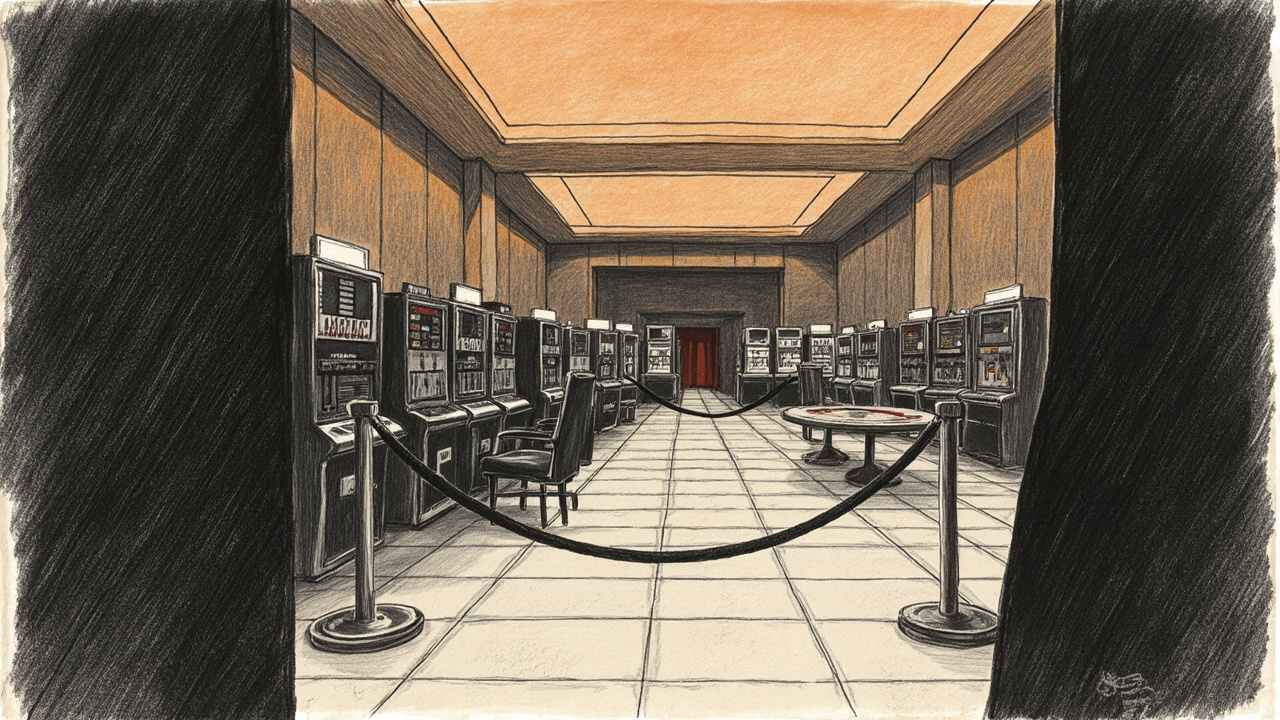
The fictional Careline platform positions itself as a prevention-first casino service with 18+ registration, AUD-only accounts and a deliberately compact interface across mobile and desktop. Its distinguishing feature is a single “Play Pause” panel combining deposit limits, loss reminders, session timers and direct access to self-exclusion. That matters more than a long feature list because busy players are unlikely to hunt through account settings after a late arvo coffee.
Registration uses email, mobile verification and an Australian residential address; identity checks must be completed before the first deposit. Careline offers 600 games from studios including Emberline, Maple Reels and Coastline, with low-volatility table options beside higher-variance titles. A new-player package is capped at A$100 plus 80 spins, while a cashback cap of A$75 applies each week. None of this makes the account a better fit for self-control. It simply gives testers concrete mechanics to examine.
For navigation, game categories load quickly, responsible-gaming controls remain pinned beneath the account menu and support replies through live chat from 7 am to 11 pm AEST. The weak spot is timing: users seeking help outside those hours see recorded guidance, but no immediate self-exclusion override. In Europe, some exclusion schemes are reached through a national registry rather than each operator’s account. Australia’s more fragmented approach can offer product-level control, yet it also depends on users applying it correctly.
Simple registration meets persistent safeguards
Careline’s registration process takes about four minutes, including identity verification, and the mobile layout keeps essential settings within two taps of the home screen. That is genuinely useful for anyone who wants to set a deposit ceiling without opening a desktop. A green control panel makes active limits prominent, while amber status messages explain when a cooling-off period is ending. The display is clear rather than clinical, with large buttons and no distracting reward pop-ups.
Self-exclusion options include 24 hours, seven days, 30 days, six months or an indefinite block. A 24-hour pause starts immediately and cannot be shortened; longer exclusions cannot be reversed before expiry. The choice cannot be removed by support staff. That last decision is sensible because an emotionally charged conversation should not become a loophole. Careline also blocks new registrations and linked payment credentials for the full period.
There is a trade-off, though. Users must remember their login, so Careline recommends storing recovery details securely rather than asking support to cancel a block. Its loyalty programme gives one loyalty point per A$10 deposited, but points never convert into cash during exclusion. Compared with a UK-style nationwide opt-out, this account-bound approach may feel more flexible but easier to bypass through multiple accounts. Proper prevention therefore requires consistent identity checks, relevant account matching and responsible communication.
Useful tools without overstating their protection
A strong safety product does more than display a self-exclusion slider. Careline combines session limits, deposit ceilings, reality checks, loss reminders and a weekly activity summary. The default session reminder arrives every 60 minutes, while a net-loss alert can be set at A$25, A$100 or A$250 per week. These values are user-controlled where permitted, but the platform supplies warnings before any new limit is raised.
This is where the platform’s wider design influences the review. Careline says most users should reach the main control panel in under ten seconds, and the interface honours that claim with a consistent navigation pattern. By contrast, chasing a large catalogue can obscure the cost of continued play. The fictional “Quiet Mode” mutes push notifications and promotional messages, although live chat remains available. A “Reality Summary” shows deposits, withdrawals, net losses and time spent for the last seven or 30 days.
No single tool is a failsafe. Someone who feels compelled to gamble may still seek offshore operators or attempt new registrations, but we never suggest offshore casino play is licensed or regulated in Australia. Nor should support persuade someone to reverse a limit. For Australian adults, regulated local operators should display their approval information clearly, use enforced age and identity checks, and provide credible complaint and external support pathways.
Payment visibility, support quality and the fine print
Payment testing matters because fast access can make short-term decision-making easier. Careline supports PayID, standard bank transfer, Visa and Mastercard deposits, with withdrawals returned to the originating method where possible. The invented minimum withdrawal is A$20, standard bank processing takes one to three business days, and PayID withdrawals can arrive within 24 hours after approval. These figures describe product design, not guaranteed payout times.
Self-excluded accounts cannot deposit, withdraw or convert loyalty points. Support agents can explain a block and review account activity, but cannot pause, extend or reverse it. That separation of duties is a plus. Less impressive is the weekly A$250 net-loss reminder: frequent sessions can still exceed it, and some visitors may misread the threshold as a spending cap. It should be presented as a prompt, not permission.
Mobile access accounts for most Careline sessions, yet push alerts can be disabled at the operating-system level. Email receipts remain available unless the entire account is restricted by law or a formal exclusion. Support is chat-based from 7 am to 11 pm AEST, with email responses targeted within two business days. There is no phone queue, no claim of 24/7 instant help and no suggestion that a live agent can cancel an exclusion. For many regular players, keeping a screenshot of the confirmation reference is a better first step than debating a temporary urge.
- Self-exclusion: A formal block on depositing, withdrawing and gambling.
- Cooling-off period: A chosen break from casino play, with a minimum of 24 hours.
- Deposit ceiling: The maximum amount permitted during a set period.
- Reality check: A timed reminder showing session length and current activity.
Overall, Casino Self Exclusion Australia works best here as an account-level safety layer, with Careline offering clear controls, AUD-focused payments and mobile-friendly visibility. Its limits are equally important: exclusions depend on correct activation, offshore alternatives remain a concern, and no reminder replaces personal boundaries. Reckon the right choice is the one you can set calmly, confirm easily and keep in place without needing support to undo it. If that feels difficult, no worries is not enough – take a proper break and seek an Australian gambling support service.