
Walk into any online casino and the lobby hits you first. The same applies to how casino game developers explained here package their wares for Australian players – menus, search bars, and currency toggles get designed between Stockholm and Sofia, then adapted for a market that reads in AUD and reckons a pokie should load before the kettle boils. You can see the thinking on sweetbonanza2500au.com where the whole interface sits in plain Aussie English from the first click.
First Impressions: How the Lobby Greets an Aussie Player

When an Australian player lands on a casino site, the first ten seconds are a sniff test. Is the toggle set to AUD? Does the search bar autocomplete with “pokies” or only “slots”? Is the live-dealer tab easy to spot on a phone in Surfers Paradise sunlight, or is it buried three menus deep? These are localisation choices made by casino game developers, not by the casino itself, and the difference between a good and a clunky experience usually traces back to the studio that built the lobby shell.
Visual identity matters more than most players reckon. A muted navy and gold palette reads as serious; a neon-rainbow grid reads as a Saturday queue at a Bunnings sausage sizzle – busy as anything and not always appetising. The better studios lean into clean typography, a single primary action button per card, and game tiles that load in under two seconds on a standard Telstra or Optus 4G connection.
Navigation should feel like a Melbourne tram route: obvious stops, no surprise diversions. The three filters that signal a properly localised studio are:
- A “Providers” tab with a visible studio count
- A “New” tab sorted by Australian release date
- A “Drops & Wins” or “Must-Drop” shortcut for jackpot hunters
If those three filters are missing, the developer has treated Australia as an afterthought, and the catalogue will feel it.
Walking the Filter Row and the Mobile Build
The Filter Row and Game Tiles
The top of any decent lobby is a filter row: Providers, Game Type, Volatility, Features, and a search box. The game-type filter is the tell. A localised studio offers “Pokies,” “Live Casino,” “Table Games,” “Crash,” and “Bingo” – not just “Slots” and “Table Games” with everything dumped into an “Other” bucket.
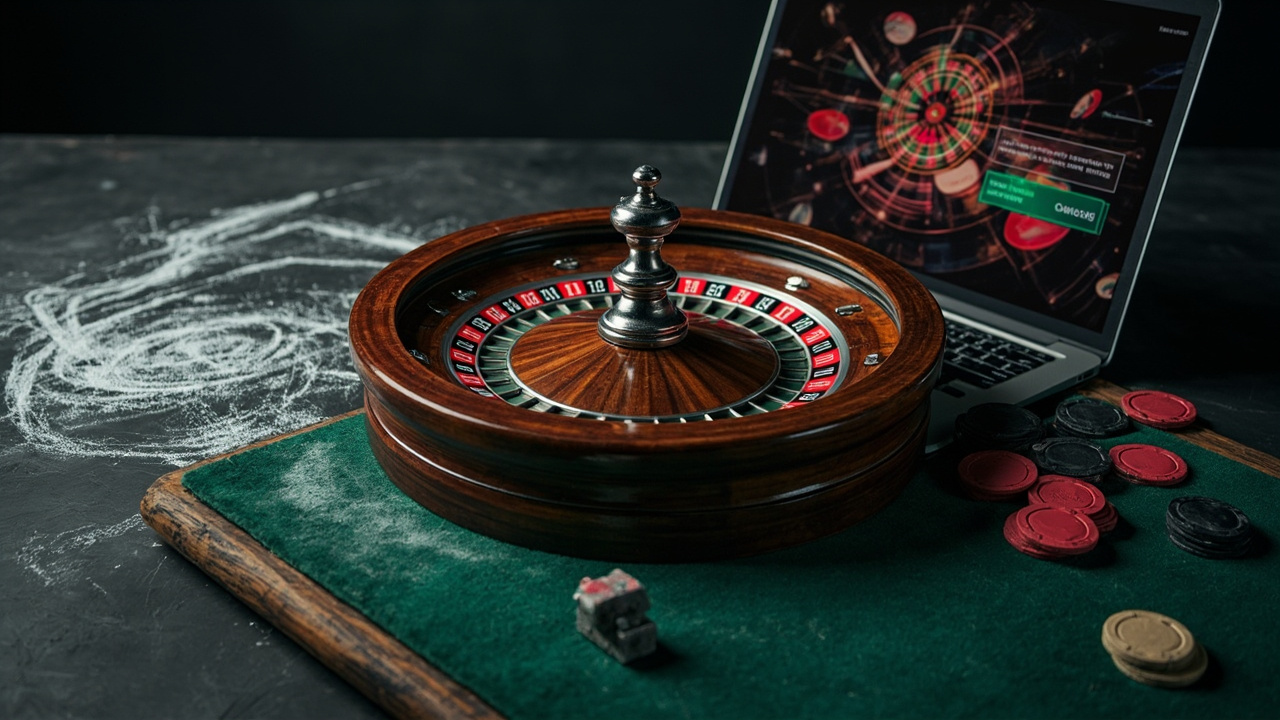
Game tiles are the next layer. A good tile shows the logo, the provider, an English one-liner, an RTP percentage, and a clear “Play” or “Demo” button. Bad tiles hide the RTP, use auto-translated taglines, and bury volatility in a menu nobody opens. The visual hierarchy should match what a Gold Coast player can scan in two seconds on a mid-range phone – and if it doesn’t, the developer has not done the localisation work that the Australian market actually rewards.
Language, Currency, and the Mobile Build
AUD is the default that separates a localised interface from a translated one. The currency toggle sits in the footer or account menu, and once an Aussie player picks AUD, limits, jackpots, and bet sizes re-render in dollars and cents, not in USD with a static conversion. Having rolled out LATAM corridors at Easygo, I can tell you the AUD conversion trips up the same backend paths that the Mexican peso does, and the better studios have already wired both through. That plumbing is invisible until it breaks, and on a Friday night it breaks loud.
The mobile build is the real test. Most Australian players reckon a casino lives on the phone, so the lobby shell, filter row, tile grid, and live-dealer lobby all need to be touch-first, not desktop-shrunk. Search should be one tap away, the cashier should not require three swipes, and the game should launch inside the same tab. William Scott, Lead Gaming Analyst at Sunburnt Country Interactive, has measured this across hundreds of lobbies: “An Australian player can smell a translated build inside ten seconds – the giveaways are the currency default, the game-type labels, and whether the cashier recognises POLi or PayID.”
Here is what a localised studio actually does differently:
| Interface element | Localised studio | Translated build |
|---|---|---|
| Currency | Defaults to AUD, re-renders values | Locks to USD with rough conversion |
| Game-type filter | Pokies, Live Casino, Crash, Bingo | Slots + “Other” bucket |
| Mobile build | Touch-first, one-tap search | Desktop-shrunk, multi-swipe cashier |
| RTP display | Shown on every tile | Hidden in a help menu |
| Search | Recognises “pokies” and Aussie slang | Only “slots” or English terms |
What the Interface Means for the Player on a Tuesday Arvo
The interface decides whether a session runs five minutes or two hours. A localised lobby gets a player to first spin in three taps – open the Pokies filter, pick a game, play. An unlocalised build adds friction: a currency warning, a game label the player did not grow up with, a search bar that ignores “pokies,” and a cashier that hides POLi or PayID. Each leak compounds.
At Easygo I watched the LATAM rollout curve; the Aussie challenge is sharper than Brazil’s – tighter slang tolerance, fiddlier plumbing. For a player on a Tuesday arvo, or anyone stuck on a delayed Sydney train, the question is whether the studio has done the work. If the currency reads AUD, the filter says Pokies, and the search handles Aussie slang in the first thirty seconds, the studio has invested. In the bingo corner, the hybrid format needs the same treatment – players who like the crossover can see how it gets localised in this Bingo Megaways breakdown for Australian online casino players.
Ruby Fisher, Product Analytics Lead at Southern Capital Advisory: “The studios winning Australia treat AUD and the pokies taxonomy as defaults, not toggles – session length lifts when a player sees their currency and game names from the first second, and bounce rate drops.”
Casino game developers explained through the lens of the interface comes down to a few honest tells. Does the lobby default to AUD? Does the filter row say Pokies? Does the search bar handle Aussie slang? Does the mobile build work in Gold Coast sunlight? The studios that answer yes to all four have done the work, and their catalogues will feel noticeably quicker, cleaner, and more like a site built for the market rather than translated into it.