
Grabbing a seat at a video poker machine and hoping the cards sort themselves out is how most punters lose their edge before the first deal. A proper video poker strategy guide isn’t about chasing miracles; it’s about knowing which hands to hold, which to fold, and how the paytable shapes every decision. I’ve spent years tracking acquisition funnels and conversion quality across iGaming campaigns, and the maths here behaves a lot like a well-structured promo calendar – small, disciplined choices compound, while emotional holds bleed value fast. If you’re playing from Australia, the real trick is pairing that discipline with a cashier setup that actually works for our currency and timing.
How the Paytable Shapes Every Hold
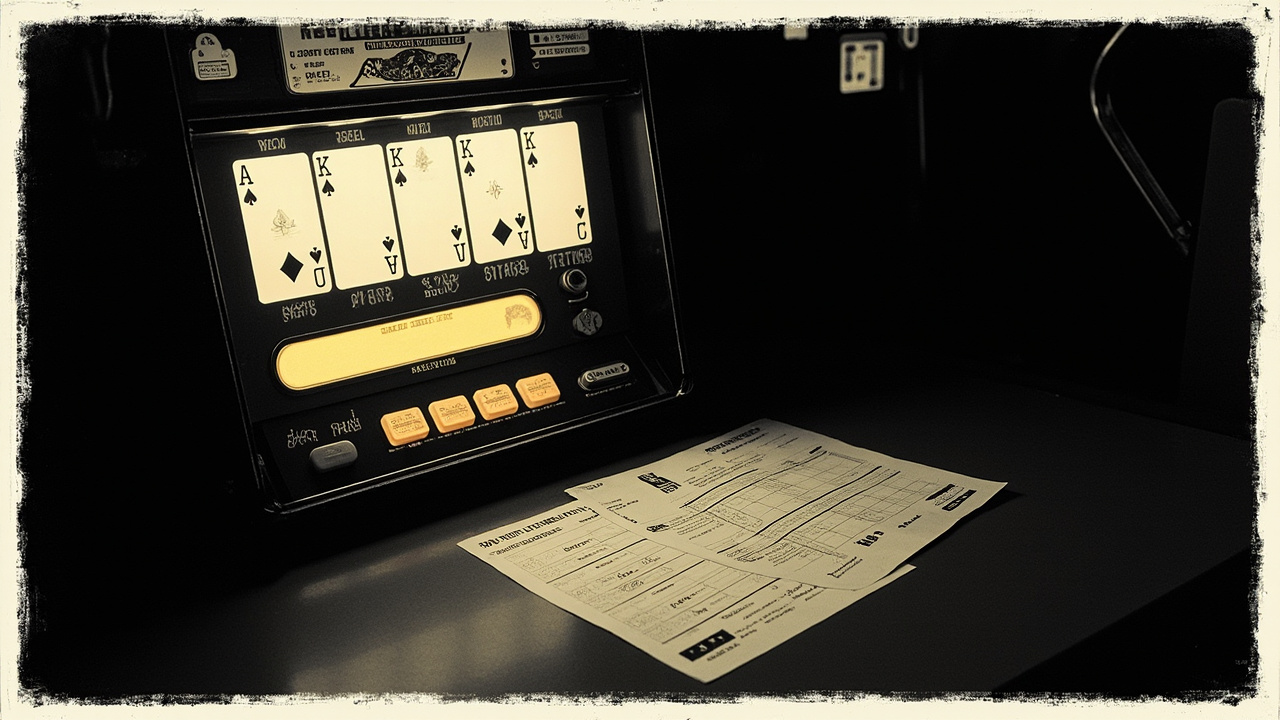
Video poker isn’t a single game with one right way to play; it’s a family of machines where the payout table dictates the strategy. A 9/6 Jacks or Better machine rewards patience and full-house draws, while shorter-pay variants push you toward tighter starting hands and fewer speculative holds. I’ve seen campaigns where a tiny tweak in offer structure completely changed player behaviour, and it’s the same principle here: read the table first, then adjust your holds to match what the machine actually pays. The stickman announces each roll with colourful, traditional patter, but a poker machine doesn’t talk back – the numbers do the announcing, and your job is to listen before you commit chips to a draw.
Most Australian players land on machines with a mix of denominations and paytables, so the first habit is checking the top payout and the four-of-a-kind returns before you touch a single card. If the full house and flush pay less than nine and six, your strategy shifts toward keeping pairs and high cards rather than chasing long-shot royal flushes. That’s not a guess; it’s a response to the expected value the table gives you. When the maths says a certain hold is weaker, folding it early keeps your session bankroll intact and your decisions consistent. ecopayz australia app exclusive
Step-by-Step Video Poker Strategy for Beginners
If you’re new to the felt or just picking up a machine at a local club, keep it simple and build the habit before you chase bigger payouts. Start with the right game variant, because Jacks or Better is the cleanest teacher and the one where strategy charts actually hold up. Once you’ve got that locked in, follow these steps on every hand and you’ll stop playing by gut feel:
- Check the paytable before you bet, noting the top prize, full house and flush returns, and whether there’s a bonus for four of a kind.
- Always hold a pair or better when it’s available, because a guaranteed paid hand beats a speculative draw over the long run.
- Keep high cards like Jack, Queen, King and Ace when you’re chasing a straight or flush, but drop them if the hand is weak and the draw offers nothing real.
- Draw to a four-card straight or flush only when the missing cards are live and the paytable supports the risk, otherwise fold back to a pair.
- Never chase a royal flush by holding three random cards; the odds are too steep and the paytable rarely justifies the sacrifice of a solid pair.
I’ve walked mates through this on a quiet arvo at a Cairns club, and the difference shows up fast once they stop second-guessing every card. The mounting yard is where horses parade before a race, and it’s a fair comparison here – you watch the formation, read the setup, then make your move instead of throwing chips at a feeling. A beginner who sticks to these holds and ignores the noise around the machine will make fewer costly mistakes and keep their session going longer.
Cashier Setup and Player Fit in Australia
A solid video poker strategy guide only goes so far if the cashier is awkward or the payment flow fights your timing. For Australian players, the practical fit comes down to whether the platform accepts AUD directly, how fast the cashier clears verification, and whether deposits and withdrawals follow a sensible path without hidden friction. I’ve run acquisition tests where a clunky deposit step killed conversion even when the game selection was strong, so the payment experience matters just as much as the hold strategy when you’re judging a site for regular play.
Look for a cashier that lets you move in and out with AUD without constant currency conversion, because repeated conversions eat into session bankrolls and make tracking your actual results harder. Verification should be straightforward and front-loaded, so you’re not stuck mid-session waiting on documents when you want to cash out a decent run. Limits need to match how you actually play – if you’re sitting down for a measured session rather than throwing big bets at a machine, a reasonable deposit cap and a clear withdrawal path matter more than flashy bonus mechanics that lock funds behind rollover you don’t need.
The best fit for most Australian adults is a setup that treats video poker as a skill-based session rather than a bonus-chasing sprint, with payments that stay predictable and a paytable you’ve already checked. If the cashier is clean, the machine pays fairly, and you’re holding according to the table instead of your mood, you’ve got a workable setup. If any of those pieces is off, the strategy doesn’t matter much because the session gets expensive before the cards even deal.
A good video poker strategy guide keeps you disciplined, keeps the paytable in front of you, and keeps your cashier simple enough that you can actually follow through on a session plan. Play the hands that the maths supports, watch the paytable before you commit, and pick a platform whose payments and verification don’t turn a sensible session into a paperwork delay. That’s the fit worth looking for, and it’s the one that lets the strategy actually do its job.